
Current US Mortgage Trends: Higher Costs, Softer Demand, and a Call to Careful Planning
Mortgage rates are holding in the mid-6% range, and monthly payments are noticeably higher than during the 2020–2021 low-rate years. Buyers are pausing, prices are leveling off, and lenders are checking every document. Here’s what it means for your household and how to plan with patience, prayer, and wisdom.
US mortgage trends
Count the Cost Before You Buy
Mortgage Rates Stay Higher: What Wise Stewardship Looks Like Now
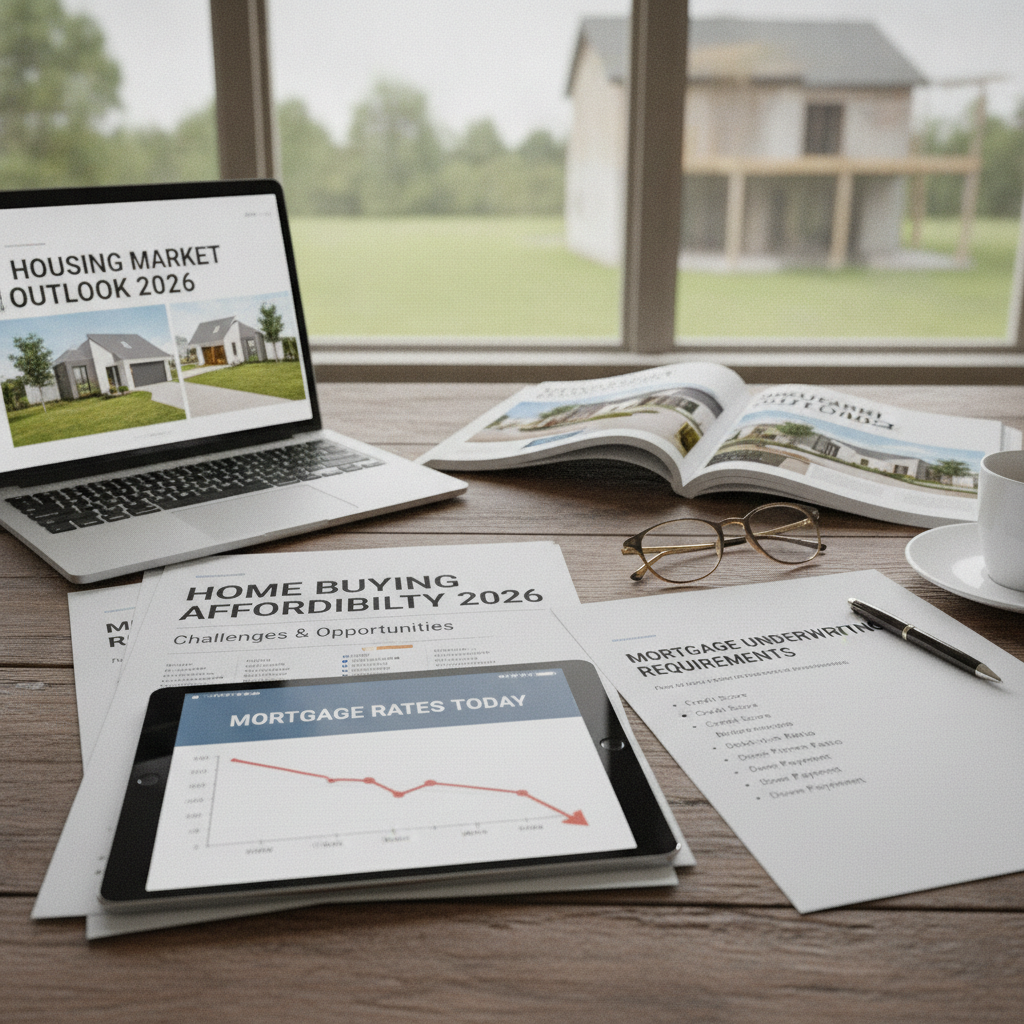
As of early July 2026, commonly quoted 30-year fixed mortgage rates sit in the mid-6% range down from the 2023 peak, but well above the historic lows of 2020–2021. For the same home price and loan size, that means noticeably larger monthly payments, driven by inflation pressures, Federal Reserve policy, and movements in the bond and mortgage-backed securities markets.
The result: purchase demand is softening. Many would-be buyers are delaying, downsizing expectations, or shifting toward more modest or suburban homes. Home price growth has cooled, and research points to national prices flattening rather than continuing the rapid gains of the past decade. Refinancing remains subdued, since most homeowners hold loans at rates lower than today’s refinancing may only make sense in specific situations, such as debt consolidation or moving out of risky loan structures.
Lenders, meanwhile, continue to apply careful “ability to repay” standards, closely examining employment stability, documented income, existing debts, credit history, and savings. The documentation requests can feel frustrating, but these safeguards exist to prevent unaffordable obligations.
Why it matters: affordability stress is real, especially for younger and lower-income households and with rents also rising, families can feel squeezed on both sides. This is not a crisis moment, but it is a moment for realistic expectations, budgets with margin, and viewing a mortgage as a long-term stewardship decision rather than a quick path to security. As Luke 14:28–30 reminds us, wisdom counts the cost before building.
Risks to Watch Before You Sign
Payment shock: New buyers can face larger monthly obligations than they anticipated.
Budget strain: Higher housing costs can crowd out giving, savings, or essential expenses.
High-cost credit temptation: Relying on consumer credit to “fill the gap” increases overall debt burdens.
Confusing loan terms: Adjustable rates, fees, and prepayment penalties can lead to future distress if misunderstood.
How Our Community Can Respond
Learn together: Join regular, nonjudgmental financial education sessions on mortgages, renting, saving, and debt framed as stewardship, not prosperity pursuit.
Get counsel: Trained volunteer counselors can help interpret basic loan disclosures and prepare good questions for lenders.
Celebrate wise living: Living within your means is worth honoring not only homeownership milestones.
Seek trusted referrals: For complex cases, we partner with trusted local nonprofits and housing counselors while providing spiritual and emotional support.